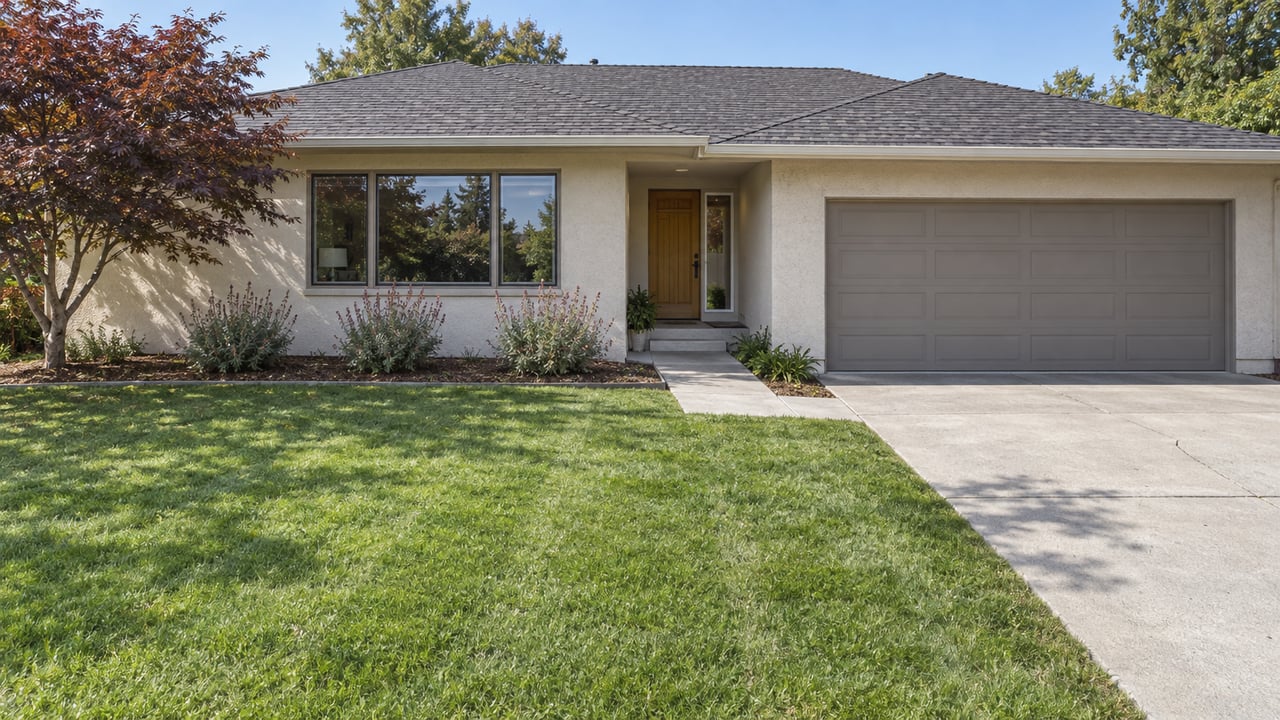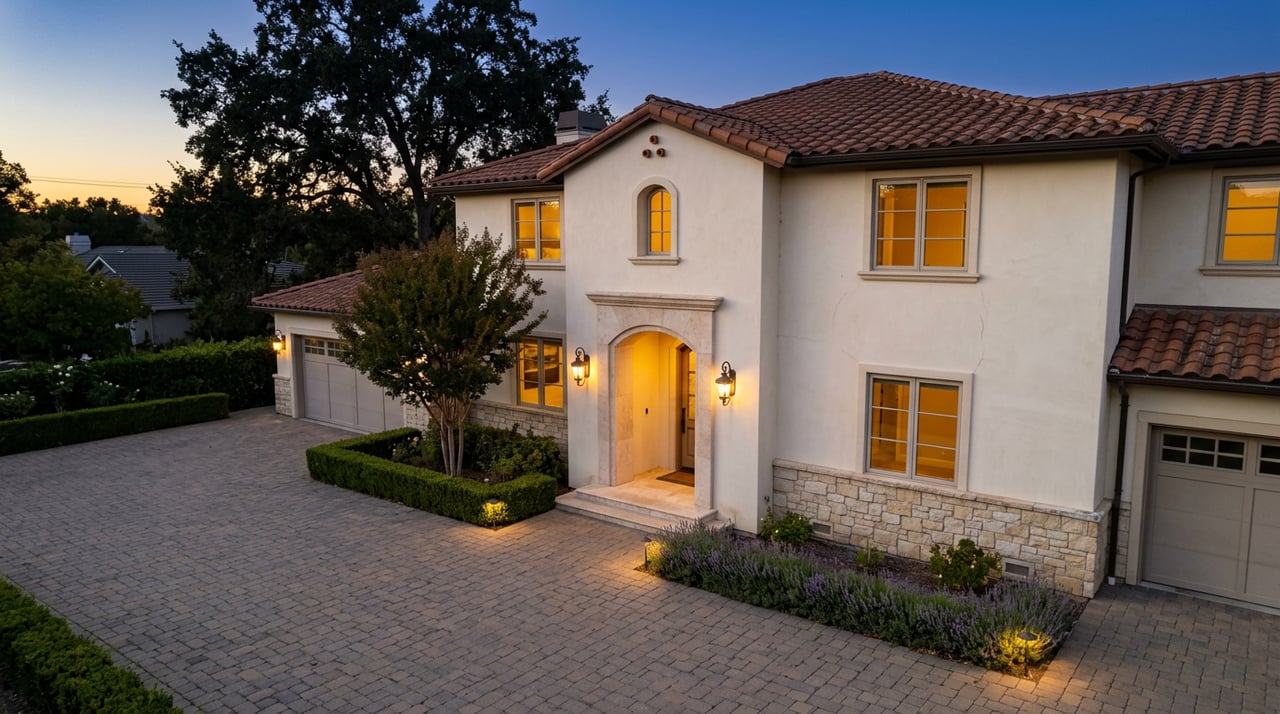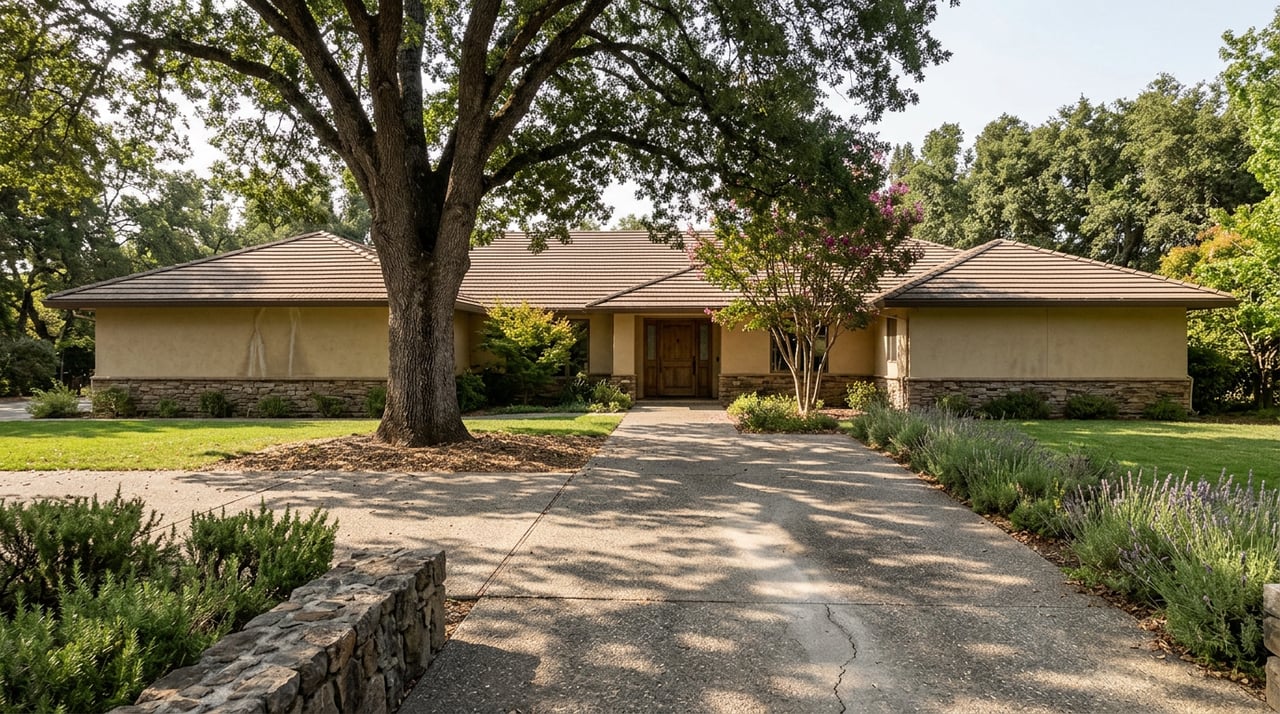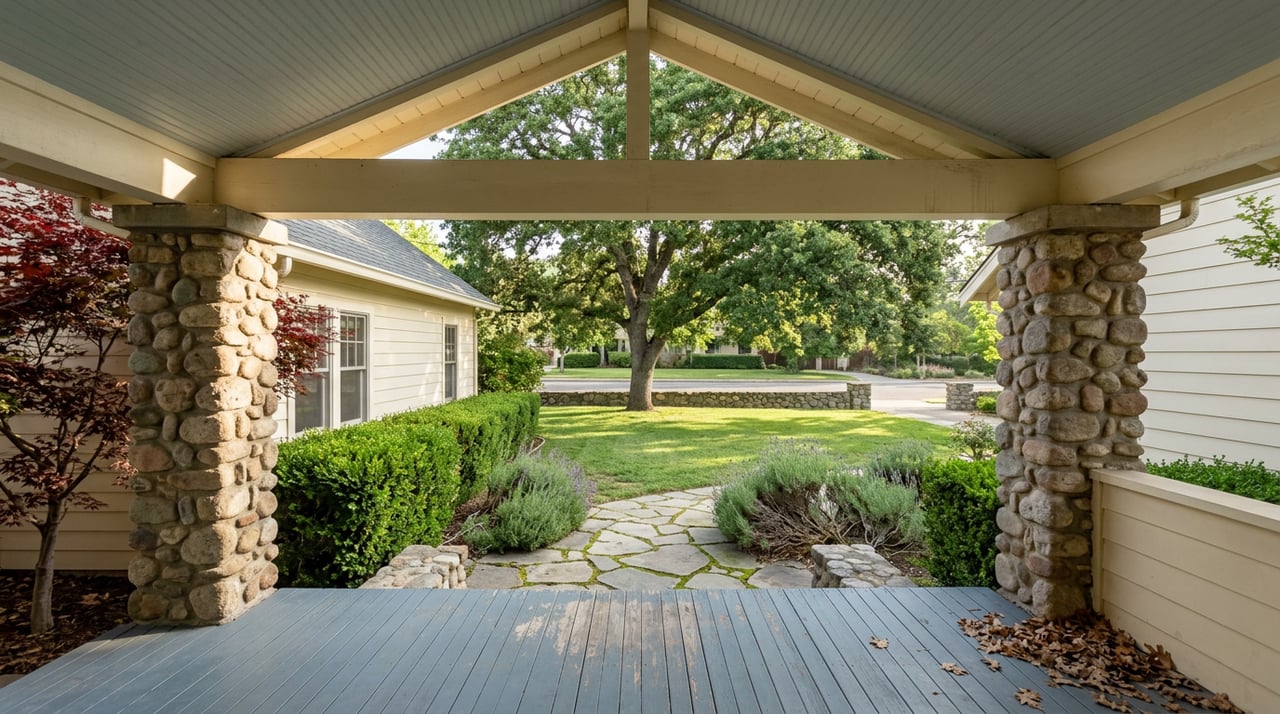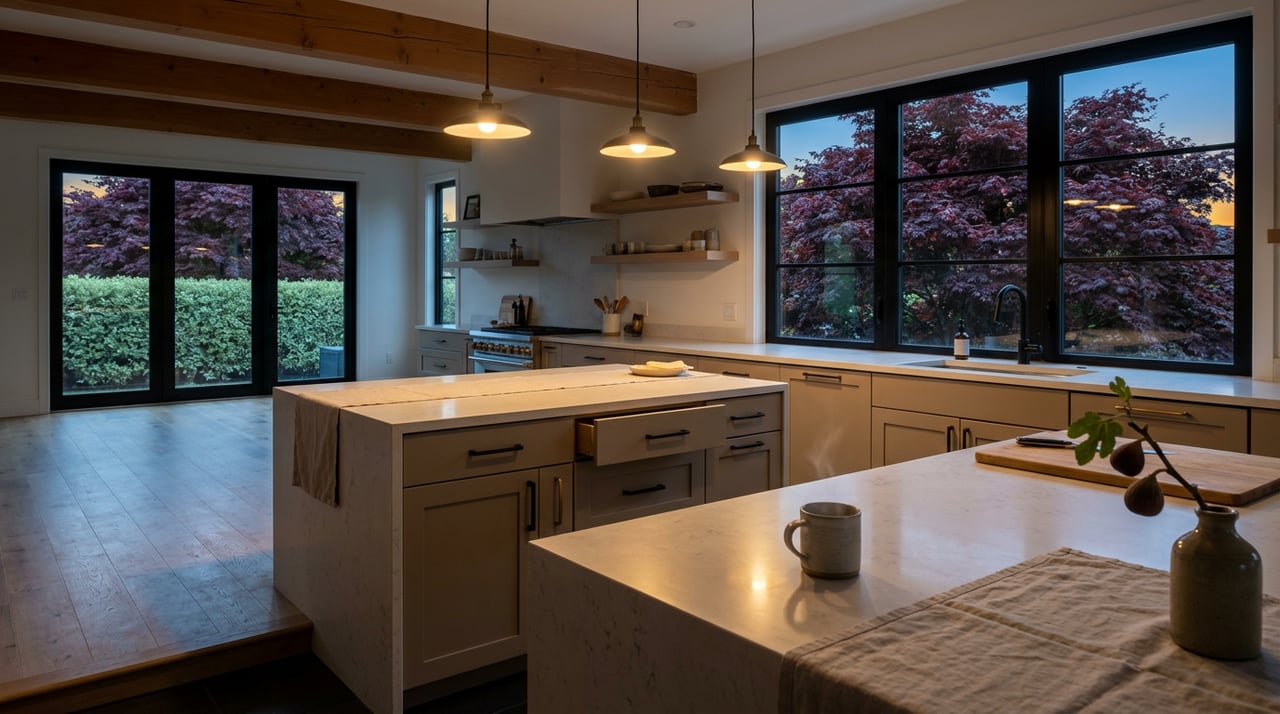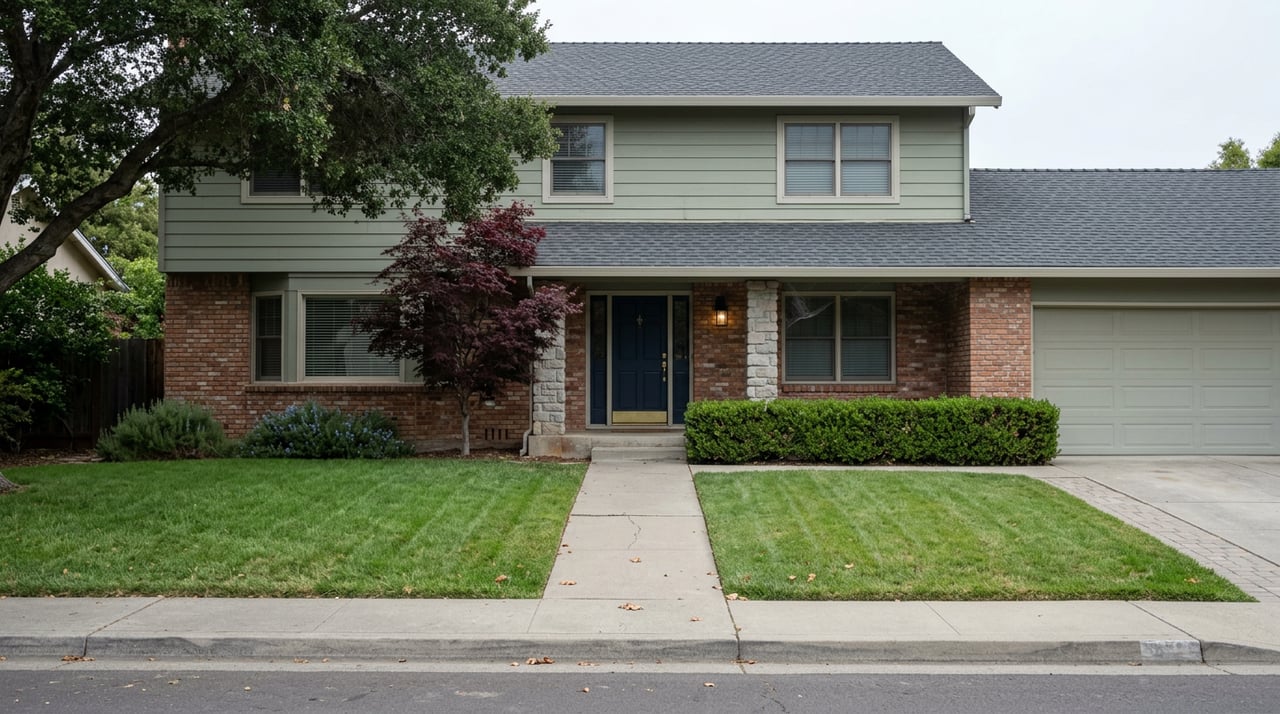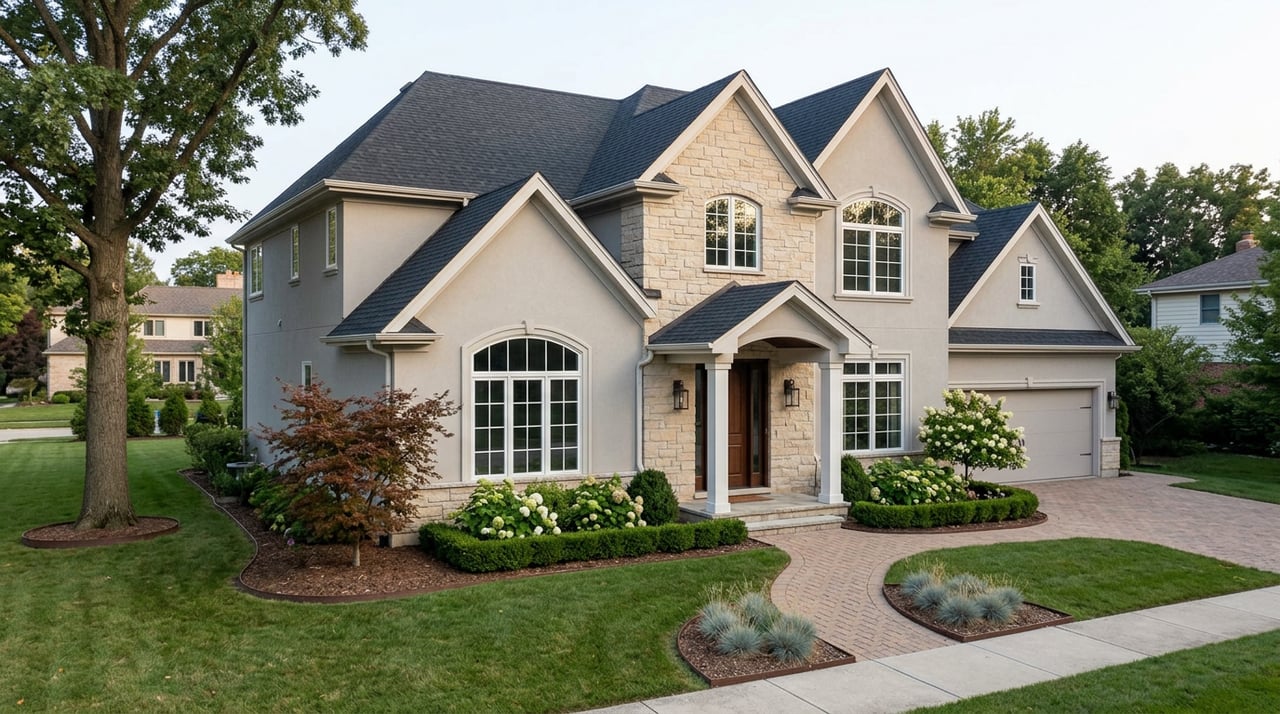
Two listings can carry nearly identical price tags in Lincoln, California, and describe two buyers who will never compete for the same house. One is a single-story home behind a guard gate, built sometime between 1999 and 2008, sold to someone who is downsizing out of a bigger place. The other is a two-story Traditional with a three-car garage in a non-age-restricted neighborhood. Both might close near $620,000. Neither tells you what a typical non-age-restricted home in Lincoln actually costs, because the number most buyers see first, the citywide median, is a blend of two markets that don't behave the same way.
That distinction matters if you're comparing Lincoln to Rocklin, Roseville, or any other South Placer suburb using a single headline figure. Here's how Lincoln's sub-markets compare, and why the distinction matters before you set a budget.
The Median Is Doing More Work Than It Looks Like
In the three months ending June 2026, Lincoln's citywide median sale price was $621,000, down 4.5 percent from the same period a year earlier. That figure gets treated as shorthand for "what a house in Lincoln costs." But Lincoln isn't one housing stock. It's a patchwork of subdivisions built across three decades, and one of those subdivisions is unusually large.
Sun City Lincoln Hills, the Del Webb active adult community that opened in 1999 and finished building out in 2008, covers 2,992 acres and contains 6,783 homes. That's not a neighborhood inside Lincoln. It's closer to a small city inside a small city, with its own homeowners association, its own golf courses, and its own buyer pool that by design excludes most family shoppers.
In June 2026, the average sale price inside Sun City Lincoln Hills was $652,023, down 4.0 percent year over year, close enough to the citywide median that a buyer scanning "Lincoln, CA" listings may be comparing a home in an age-restricted community with non-age-restricted housing.
Compare that to Twelve Bridges Village, a master-planned, non-age-restricted community on the other side of town. Over the twelve months ending in roughly May 2026, the median sale price there was $794,625, up 3 percent from the prior twelve-month period. New construction inside Twelve Bridges, including Century Communities' Millau Collection and LGI Homes' Velare development, has been pricing into the same range or higher.
Here's the comparison side by side:
| Sub-market | Reported price | As of |
|---|---|---|
| Lincoln, citywide | $621,000 median | 3 months ending June 2026 |
| Sun City Lincoln Hills (55+) | $652,023 average | June 2026 |
| Twelve Bridges Village (non-age-restricted) | $794,625 median | Trailing 12 months, ~May 2026 |
These aren't measuring the exact same thing. One is a median, one is an average, and the snapshots come from different months. But the gap between Sun City Lincoln Hills and Twelve Bridges is wide enough, and consistent enough across the sources reporting it, that the underlying point holds regardless of which exact figure you pick: a citywide median in Lincoln is not a proxy for pricing across every sub-market. It's closer to a blend, and a large chunk of that blend is a housing product with age restrictions and a distinct buyer pool.
Why an Age-Restricted Community Bends the Curve
This isn't a flaw in how anyone reports the data. It's what happens when a single, tightly-built development makes up a meaningful share of a city's total housing stock and trades in its own price band.
Sun City Lincoln Hills homes were built across a narrow nine-year window, mostly single-story, ranging from 901 to 3,068 square feet across more than 40 floor plans. Buyers there are frequently coming out of larger homes elsewhere in Placer County or the Bay Area, often paying with equity from a prior sale rather than financing at the edge of their budget. The community's amenities, including the 68,000-square-foot Orchard Creek Lodge, the smaller Kilaga Springs Lodge, two 18-hole golf courses, and an on-site restaurant and bar called Meridians, are funded through a homeowners association that charged $188 a month as of January 2026, billed quarterly.
None of that is a criticism of the community. It's a distinct housing product with age restrictions, and it trades at a different rhythm than other neighborhoods around it. When that many homes with that particular profile transact inside city limits, they carry real weight in whatever number gets reported as "the Lincoln median." A buyer who takes that number and assumes it describes a four-bedroom house in Twelve Bridges or a golf-course lot in Catta Verdera is working from the wrong anchor.
Costs to Compare Beyond the List Price
Price per square foot isn't the only place these sub-markets diverge. Special tax assessments known as Mello-Roos bonds are another cost to compare when evaluating a home.
Many homes in Sun City Lincoln Hills carry Mello-Roos bonds tied to the infrastructure built when the community went up between 1999 and 2008. These bonds typically run 20 to 25 years, which means some parcels are close to paying off while others still have more of their term remaining, depending on exactly when that phase of construction was financed. Two homes with nearly identical list prices in the same community can carry very different real monthly costs depending on where their particular bond sits in that lifecycle.
Twelve Bridges shows the same pattern from a different angle. Some sections of the community carry Mello-Roos assessments estimated between $320 and $364 a month, layered on top of HOA dues that vary by subdivision, with some running around $162 a month and others charging none at all. Newer construction phases have started marketing "no Mello-Roos" as a selling point; assessments vary by phase.
These costs are useful to include when comparing the total monthly expense of homes. A property tax bill or a Community Facilities District disclosure will show whether a bond is active and how much term is left. It's worth asking for that document before comparing two homes as if their sticker prices tell the whole story.
What This Means If You're Comparing Neighborhoods
If you're shopping Lincoln against Rocklin, Roseville, or elsewhere in Placer County using median price as your starting filter, ask which sub-market that median is drawing from. A citywide figure for Lincoln is going to include a large volume of age-restricted resales that don't compete directly with non-age-restricted housing stock, which means the number can look more affordable, or less predictable year to year, than what you'll actually encounter shopping in Twelve Bridges, Catta Verdera, or Lincoln Crossing.
The same logic applies in reverse if you're the one selling. A home inside Sun City Lincoln Hills will draw from a buyer pool defined by the community's own age restrictions, not from the broader market for non-age-restricted homes that a citywide comparison might suggest you're competing in. And if the property carries a Mello-Roos bond, knowing exactly where that bond stands in its term is part of pricing it accurately, not an afterthought for escrow.
A Few Questions Worth Asking Before You Compare Numbers
Does Lincoln's citywide median include Sun City Lincoln Hills sales? Yes. Citywide figures published for Lincoln aggregate all closed sales across the city, and Sun City Lincoln Hills is large enough, at 6,783 homes, that its transactions carry real weight in that blended number.
Does Sun City Lincoln Hills have age restrictions? Yes. It is an age-restricted community.
How do I find out if a specific home still has an active Mello-Roos bond? The property tax bill will show it as a line item, and a seller or listing agent should be able to provide the Community Facilities District disclosure that states the remaining term and annual amount. It's a reasonable question to ask early, before you're comparing two homes as if their list prices are the only difference between them.
If you're weighing a purchase or a sale anywhere in Lincoln, or trying to figure out which sub-market a specific property actually belongs to, Cooper Realty can walk through the pricing, the assessments, and the fine print with you before you make an offer. Book a Free Consultation and we'll help you read the numbers for what they actually are.
This article is general information, not legal, tax or financial advice. Consult a qualified professional about your situation.