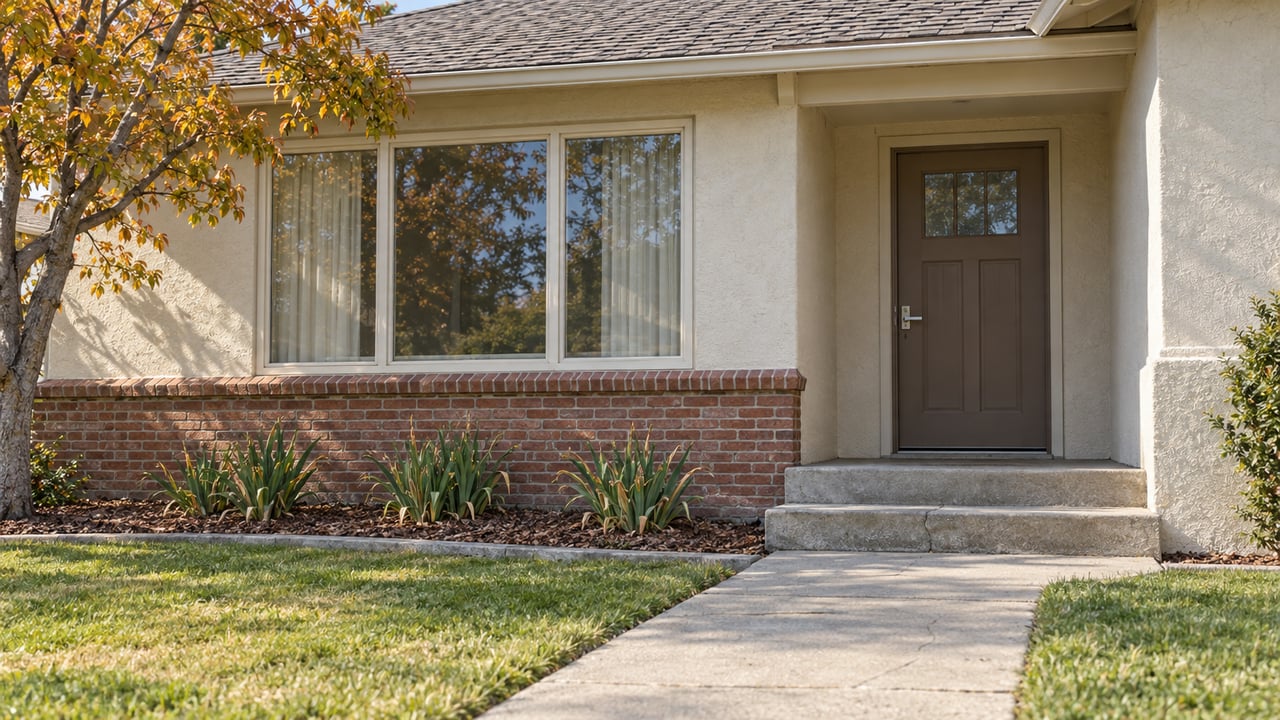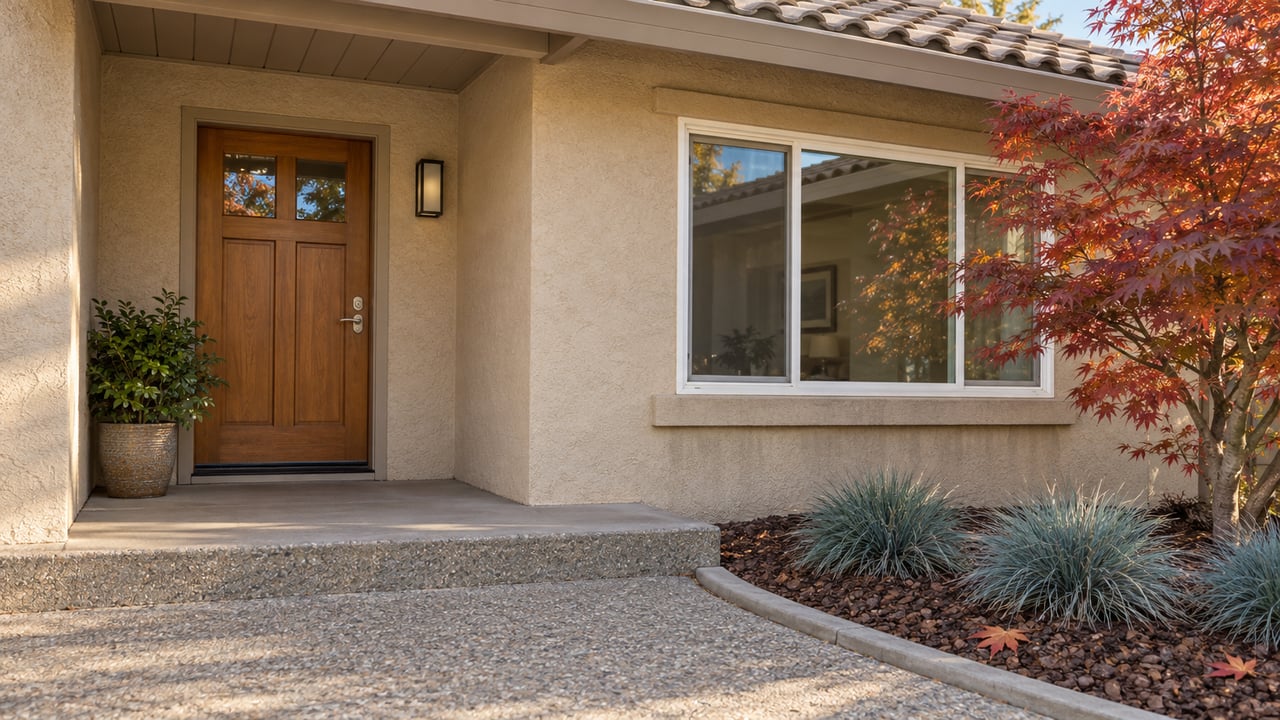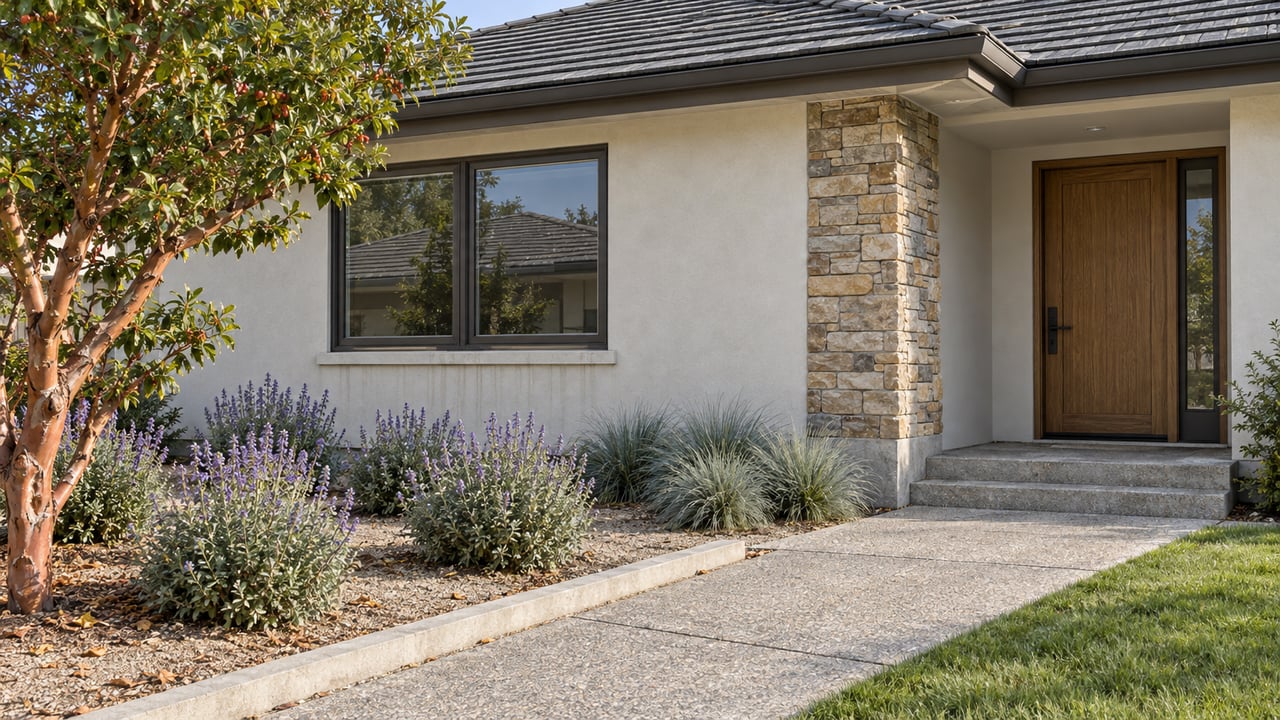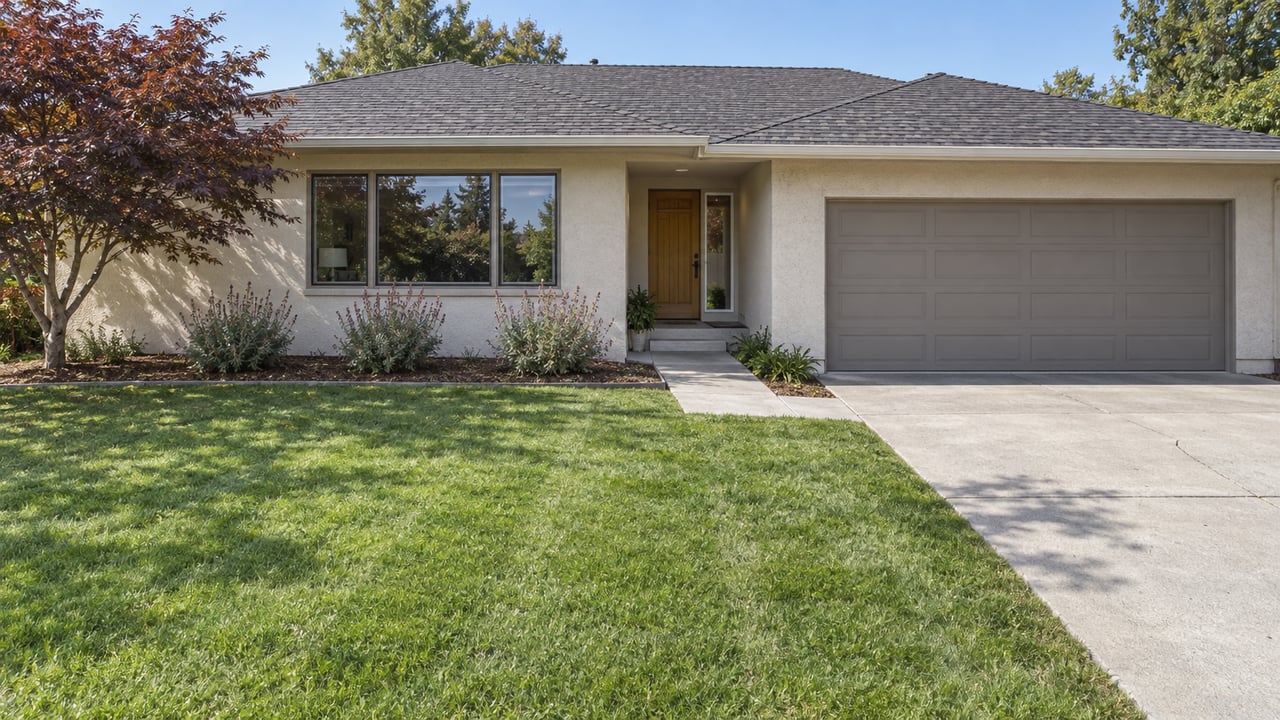
When the person who lived in a Sacramento house dies and nobody moves in, what does the City consider that house to be? Under its code, it's a "vacant building," and the code lets it stay that way for 30 days. After that, the house has to fit one of a few narrow exceptions. Most families picture the estate's real exposure starting at listing, closing, or the court hearing. Inside Sacramento city limits, a lot of it falls in the quiet months before the house goes on the market.
This is general information about how the City's rules are written. It isn't legal advice. Questions about a specific estate belong with the estate's attorney.
Day 31 Is Written Into the Code
Sacramento's vacant-building rules come from Ordinance 2007-060 and sit in Article XV of the City's Housing Code, titled "Maintenance of Vacant Buildings." The definition is broad. Section 8.100.1210 defines a vacant building as "a building that is unoccupied, or occupied by unauthorized persons for any amount of time." So a house with a squatter is still vacant under this definition. An unauthorized occupant doesn't pause the clock.
The next section sets the deadline. Section 8.100.1230 reads:
"No owner shall allow a building designed for human use or occupancy to be a vacant building for more than thirty (30) days, unless one of the following applies."
The code allows two ways past day 30:
- An active repair permit. The house has an active building permit for repair or rehabilitation, and the owner is "progressing diligently" to finish the work.
- A ready, cared-for house. The house meets all codes, doesn't contribute to blight, and is ready for occupancy. It must also be either actively offered for sale, lease, or rent, or actively maintained and monitored by the owner as defined in the next section of the code.
A For-Sale Sign Only Counts Once the House Is Ready
Many executors assume the second exception covers them as soon as they plan to sell. It's written more narrowly than that. The words "actively being offered for sale" come after a list of conditions the house must already meet: code compliance, no blight, ready for occupancy. A listing helps only once the house is in that condition.
Estate houses rarely start out that way. The same months that follow a death are when the person handling the estate is getting legal authority, sorting belongings, arranging a cleanout, and deciding what repairs make sense. None of that work makes the house "actively offered for sale" in the code's terms. During that stretch, the estate depends on one of the other two routes: a permitted repair moving forward, or the maintenance-and-monitoring standard.
That changes what it means to "get the house ready." It's often treated as a marketing decision. In Sacramento, it also determines which exception the house falls under.
What "Maintained and Monitored" Means on Paper
Section 8.100.1240 defines active maintenance and monitoring. It requires all of the following:
- Landscaping and plant materials kept in good condition
- The building exterior, including paint and finishes, kept in good condition
- Regular removal of all exterior trash, debris, and graffiti
- Continuing compliance with all applicable codes and regulations
- Prevention of criminal activity on the premises
- A notice posted in a conspicuous place on the front of the building giving the name, address, and phone number of the owner and, if there is one, the owner's agent in control of the building
The sixth item has a size standard. The lettering must be at least two inches high and "generally readable from at least thirty (30) feet away." An estate needs a name and a reachable phone number for that sign. That forces an early decision about who is in control of the house. For an heir who lives out of state, the answer may be a property manager or broker rather than a family member.
The list doesn't mention keeping utilities on. It's mostly about what someone sees from the street: the yard, the paint, the debris, and who answers when a neighbor calls.
Boarding has its own rule. Section 8.100.1220 requires boarding only "when the building can no longer be secured against intrusion by the closing and locking of doors and windows." Any boarding, whether the owner does it voluntarily or the City requires it, must follow standards set by the city manager and approved by City Council resolution. Plywood over the windows doesn't satisfy the code by itself. The City's own Housing and Dangerous Buildings page lists boarded windows and doors among the conditions that can lead to a nuisance citation.
Two Different Bills, Triggered Two Different Ways
Once a house falls outside the exceptions, the code applies two separate consequences, each with its own trigger.
| Administrative penalty | Monthly monitoring fee | |
|---|---|---|
| Code section | 8.100.1250 | 8.100.1260 |
| Trigger | Violating the 30-day rule in 8.100.1230 | The vacant building is determined to be a public nuisance |
| Amount | Up to $1,000 for the first penalty; up to $5,000 for each later 30-day period the violation continues; $2,000 to $10,000 for an owner penalized on a different vacant building within two years | Set by City Council resolution; the City's webpage lists $380 per month plus $500 per enforcement response |
| Repeats | Every 30 days while the violation continues | Every 30 days while the nuisance determination stands |
The City's Housing and Dangerous Buildings page says that "if a structure is to remain vacant for more than one month, the owner is required to pay a monitoring fee." The code is narrower. Section 8.100.1260 applies monitoring fees to a vacant building "that also constitutes a public nuisance," starting with the City's first nuisance determination. A clean, secured, monitored house and a neglected one are treated very differently.
The fee amounts come with a timing caveat. A City fee listing in a February 25, 2025 Budget and Audit Committee report shows the Vacant Building Monitoring Fee at $380 and the Enforcement Response Fee at $500, both effective July 1, 2024. On May 12, 2026, the City Council adopted Resolution 2026-0121, which adjusted citywide fees for FY 2026/27, with most changes effective July 1, 2026. The City points readers to its online fees database for current amounts. Until that database is checked, treat $380 and $500 as the figures the City has published, not as confirmed current rates.
The penalty section has one more clause that matters to professional fiduciaries. If an owner received a vacant-building penalty on a different building within the past two years, a new penalty must be at least $2,000 and can be as high as $10,000. The ordinance's findings say the City aimed this at owners of multiple vacant, blighted buildings. How "owner" applies when one fiduciary manages several separate estates is a question for counsel. The clause is worth knowing about for anyone holding more than one empty Sacramento property at a time.
The Rules Sacramento Considered in March 2026
The current code works mostly on complaints. A City staff report presented March 17, 2026 described the problem this way: "There is no proactive program for vacant buildings or vacant storefronts," which are "only addressed when a complaint is received." The report counted 165 open vacant-building cases.
Staff proposed changing that. Under the March 2026 proposal, every vacant property, including buildings, would be registered by January 1 each year, with daily late fees after January 16. Owners would have to monitor the property every two weeks and keep timestamped photos to prove it. Fee options included $887 for building registration and initial inspection and $903 a month to monitor a vacant building declared a nuisance.
The Law and Legislation Committee didn't adopt it. The Sacramento Bee reported on March 18, 2026 that the committee tabled the proposal after business, real estate, and property groups opposed the fees, and that members would discuss a different program with staff. CBS Sacramento reported that after more than an hour of debate, city leaders chose not to move forward with new fees. Councilmember Roger Dickinson told the committee, "It seems to me, personally, I think we need to do more." The March meeting followed a September 16, 2025 committee discussion that KCRA covered, where a vacancy tax was also raised.
As of this writing in October 2026, the City's legislative file for that item shows no recorded follow-up action. The 2007 rules are still the ones in force. The proposal does show what the City's code enforcement staff wanted to measure: whether owners can show, with dated records, that someone has been checking on the house. Section 8.100.1240 already asks for active monitoring, so a written log of visits fits the existing rule.
Questions Executors Ask
Does a relative staying in the house count as vacant? The definition covers buildings that are unoccupied or "occupied by unauthorized persons." Whether a particular relative is authorized depends on the facts and the estate's legal position, which the estate's attorney should look at.
Can a penalty be appealed? Yes. Under Section 1.28.010, an administrative penalty order states the violation, the amount, and the right to appeal, and the responsible party may appeal within 20 days of service. Monitoring fees can also be appealed under Section 8.100.1260.
Is there an exception for houses in probate? None of the vacant-building sections reviewed for this post mentions a probate or estate exception. The exceptions are tied to the condition of the house and to active repair, sale, or monitoring, not to the owner's legal situation.
If you're responsible for an empty inherited house inside Sacramento city limits, the clock starts before anyone talks about a list price. Cooper Realty can step in early to secure the property, keep up the exterior, post the required owner or agent notice, and keep a dated record of every visit while the estate gets ready to sell. Book a Free Consultation to talk through where your property stands under the 30-day rule.